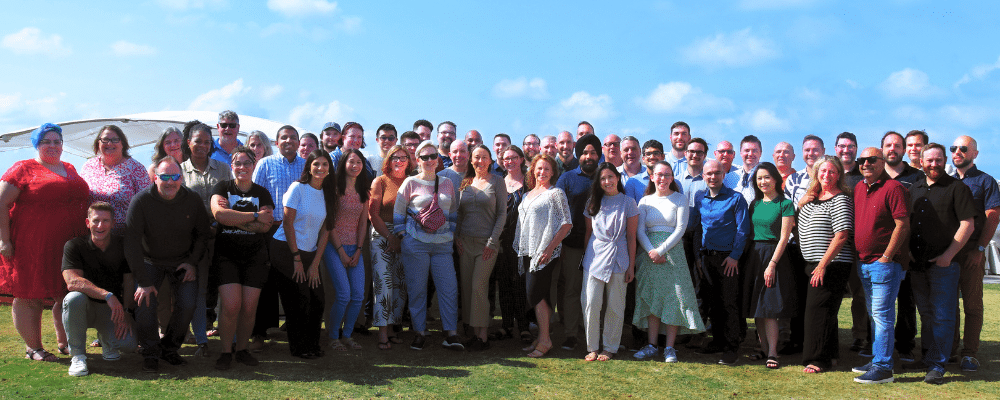
It is with great pride that we announce the remarkable success of our recent merger between BSI and Visual Antidote. Unlike many merger stories, our integration has been exceptionally smooth, with collaboration and mutual respect flourishing across our teams. From the very beginning, it was evident that our companies were not only aligned in vision but also in culture and values.
This merger has allowed us to learn from one another, combining our strengths to create a more robust and capable organization. Our enhanced service capabilities, product knowledge, capacity, and expanded offerings have established us as the premier iMIS partner globally.
We sincerely thank you for your continued loyalty and trust in supporting your organization. Your enthusiasm for this new chapter energizes us, and we are confident that together, we will achieve extraordinary milestones.
This website utilizes technologies such as cookies to enable essential site functionality, as well as for analytics, personalization, and targeted advertising.
Functional
Always active
The technical storage or access is strictly necessary for the legitimate purpose of enabling the use of a specific service explicitly requested by the subscriber or user, or for the sole purpose of carrying out the transmission of a communication over an electronic communications network.
Preferences
The technical storage or access is necessary for the legitimate purpose of storing preferences that are not requested by the subscriber or user.
Statistics
The technical storage or access that is used exclusively for statistical purposes.The technical storage or access that is used exclusively for anonymous statistical purposes. Without a subpoena, voluntary compliance on the part of your Internet Service Provider, or additional records from a third party, information stored or retrieved for this purpose alone cannot usually be used to identify you.
Marketing
The technical storage or access is required to create user profiles to send advertising, or to track the user on a website or across several websites for similar marketing purposes.
mergers and acquisitions, liability, risk, debt, takeover, asset, horizontal integration, price, shareholder, vertical integration, cash, law, federal trade commission, valuation, contract, conglomerate, verizon communications, market share, corporation, asset and liability management, economies of scale, competition law, property, synergy, profit, reverse takeover, corporate finance, brand, ownership, accounting, business valuation, customer, policy, conglomerate merger, agencies, lawsuit, due diligence, interest, supply chain, organization, strategic management, research, the walt disney company, leveraged buyout, exxonmobil, intellectual property, revenue, employee benefits, divestment, diversification, american broadcasting company, balance sheet, option, stock exchange, leverage, financial analyst, confidentiality, entity, holding company, purchasing power, judgment, shareholder rights plan, subsidiary, bond, financial modeling, commerce, document, board of directors, new york stock exchange, knowledge, overhead, wealth, merger guidelines, plaintiff, trust, restructuring, merger, imis
Frequently Asked Questions
What is a merger in business?
A merger in business is the process where two companies unite to form a single entity, typically to enhance operational efficiency, expand market reach, or strengthen competitive advantage.
What is the meaning of merger?
The meaning of a merger is the process where two companies combine to form a single entity, enhancing their capabilities, resources, and market presence to achieve greater success together.
What are the 3 types of mergers?
The three types of mergers are horizontal, vertical, and conglomerate. Horizontal mergers occur between companies in the same industry, vertical mergers involve companies at different stages of production, and conglomerate mergers unite businesses in unrelated industries.
What factors drive a successful merger?
The factors that drive a successful merger include clear communication, aligned goals, cultural compatibility, thorough due diligence, and effective integration strategies. These elements ensure a smooth transition and maximize the benefits of the merger for all parties involved.
How do mergers impact company culture?
Mergers impact company culture by blending diverse values, practices, and communication styles, which can lead to both challenges and opportunities for collaboration, innovation, and growth as teams integrate and align towards shared goals.
What are common challenges in mergers?
Common challenges in mergers include cultural clashes, integration difficulties, misaligned goals, and communication barriers, which can hinder collaboration and overall success if not effectively managed.
How is a merger different from an acquisition?
A merger differs from an acquisition in that a merger involves two companies joining to form a new entity, while an acquisition occurs when one company purchases another, retaining its identity.
What role do stakeholders play in mergers?
Stakeholders play a crucial role in mergers by influencing decision-making, providing insights, and ensuring alignment with the companies' goals. Their support and feedback are essential for a smooth integration and successful outcomes.
How do mergers affect employee retention?
Mergers can significantly impact employee retention by creating opportunities for career advancement and professional development, while also posing challenges such as uncertainty and changes in company culture. Effective communication and integration strategies are essential to maintain employee morale and loyalty.
What are the financial implications of a merger?
The financial implications of a merger include potential cost savings through economies of scale, increased revenue opportunities, and enhanced market competitiveness, while also considering initial expenses related to integration and potential impacts on cash flow and shareholder value.
How is a merger evaluated for success?
The success of a merger is evaluated through various metrics, including financial performance, employee integration, customer satisfaction, and the achievement of strategic goals, ensuring that the combined entity operates more effectively than its predecessors.
What legal considerations are involved in mergers?
The legal considerations involved in mergers include compliance with antitrust laws, due diligence regarding liabilities, the negotiation of merger agreements, obtaining necessary regulatory approvals, and addressing any potential conflicts of interest among stakeholders.
How do mergers influence market competition?
Mergers influence market competition by consolidating resources and expertise, which can lead to enhanced service offerings and increased efficiency. This often results in a stronger competitive position, potentially reshaping market dynamics and customer choices.
What strategies enhance merger integration success?
Strategies that enhance merger integration success include fostering open communication, aligning organizational cultures, and leveraging combined strengths to streamline operations and improve service offerings. These approaches ensure a smoother transition and greater overall synergy.
What are the risks associated with mergers?
The risks associated with mergers include potential culture clashes, integration challenges, loss of key talent, and unforeseen financial liabilities, which can hinder the expected benefits and overall success of the combined entity.
How do mergers affect customer relationships?
Mergers can enhance customer relationships by combining resources and expertise, leading to improved service offerings and support. This collaboration fosters a stronger commitment to client satisfaction and creates opportunities for more personalized solutions.
What is the timeline for a typical merger?
The timeline for a typical merger varies, but it generally takes several months to over a year, depending on factors like regulatory approvals, due diligence, and integration planning.
How do companies communicate during a merger?
Companies communicate during a merger through structured announcements, regular updates, and collaborative meetings, ensuring transparency and alignment among teams while addressing stakeholder concerns and fostering a unified culture.
What metrics assess merger performance?
Metrics that assess merger performance include financial indicators like revenue growth, cost synergies, and profitability, as well as operational metrics such as customer retention rates and employee satisfaction, which reflect the overall success of the integration.
How can companies prepare for a merger?
Companies can prepare for a merger by conducting thorough due diligence, aligning cultures, communicating transparently with stakeholders, and integrating systems and processes to ensure a smooth transition and maximize the merger's potential benefits.
The merger between Bursting Silver and Visual Antidote marks a significant milestone in our journey towards providing unparalleled iMIS services. This strategic alliance not only enhances our operational capabilities but also strengthens our commitment to delivering exceptional value to our clients.
As two industry leaders unite, we leverage our combined expertise to offer a wider array of services. This integration allows us to streamline processes, improve efficiency, and enhance customer satisfaction, positioning us as a trusted partner in the iMIS consulting space.
Enhanced Service Capabilities
With the merger, Bursting Silver has significantly expanded its service offerings, allowing us to cater to a broader range of client needs. Our enhanced capabilities include advanced database security solutions, innovative iMIS integrations, and comprehensive consulting services tailored to various industries.
For example, our new service portfolio includes specialized training programs for iMIS users and enhanced support systems that ensure clients receive timely assistance. This commitment to service excellence is a direct result of the collaborative efforts between our teams, ensuring that we remain at the forefront of the industry.
Client Benefits from the Merger
Clients can expect numerous benefits from the merger, including improved service delivery and access to a wider range of resources. Our clients will enjoy the advantages of a larger team of experts dedicated to providing tailored solutions that meet their unique requirements.
Additionally, our clients will benefit from enhanced technological tools and resources that arise from this merger. This means faster response times, more robust security measures, and innovative solutions that can adapt to the evolving landscape of database management and consulting.
Commitment to Shared Values
At the core of our merger is a commitment to shared values that prioritize integrity, collaboration, and customer success. Both Bursting Silver and Visual Antidote have long upheld these principles, and together, we aim to foster a culture that reflects our dedication to excellence.
Our unified approach not only strengthens our internal team dynamics but also enhances our client relationships. By aligning our missions and values, we ensure that every client interaction is rooted in trust and respect, paving the way for long-term partnerships that drive success.